

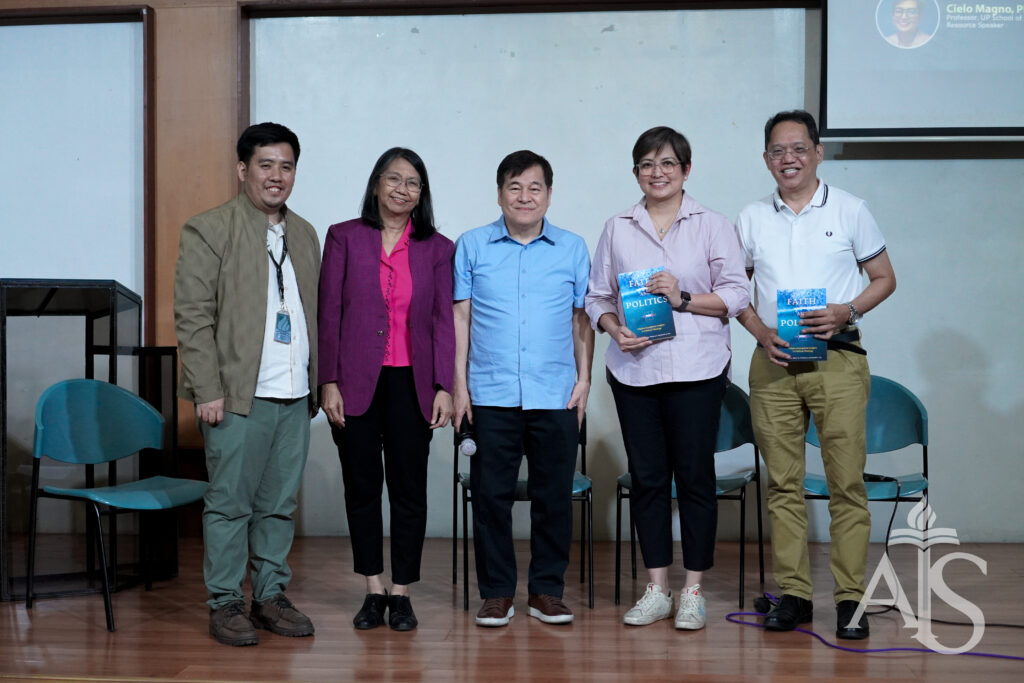
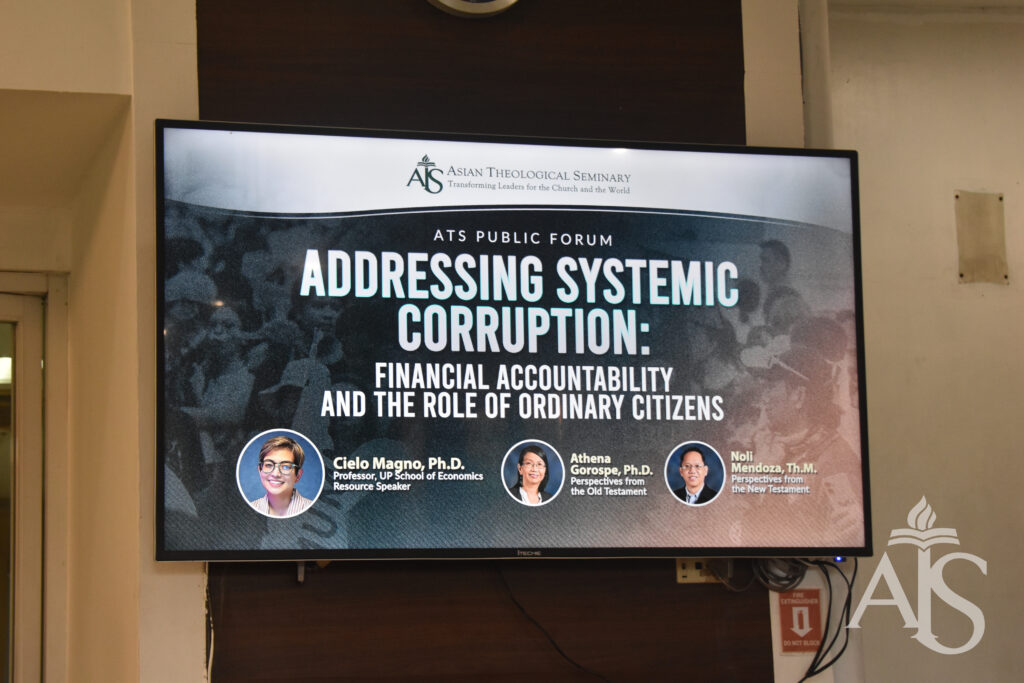
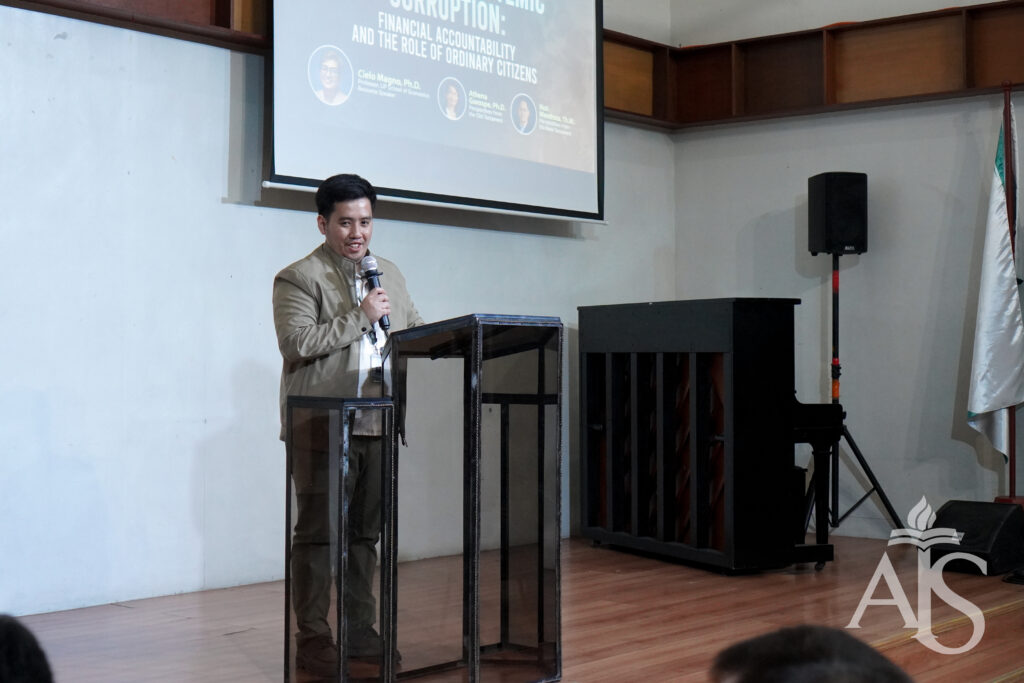
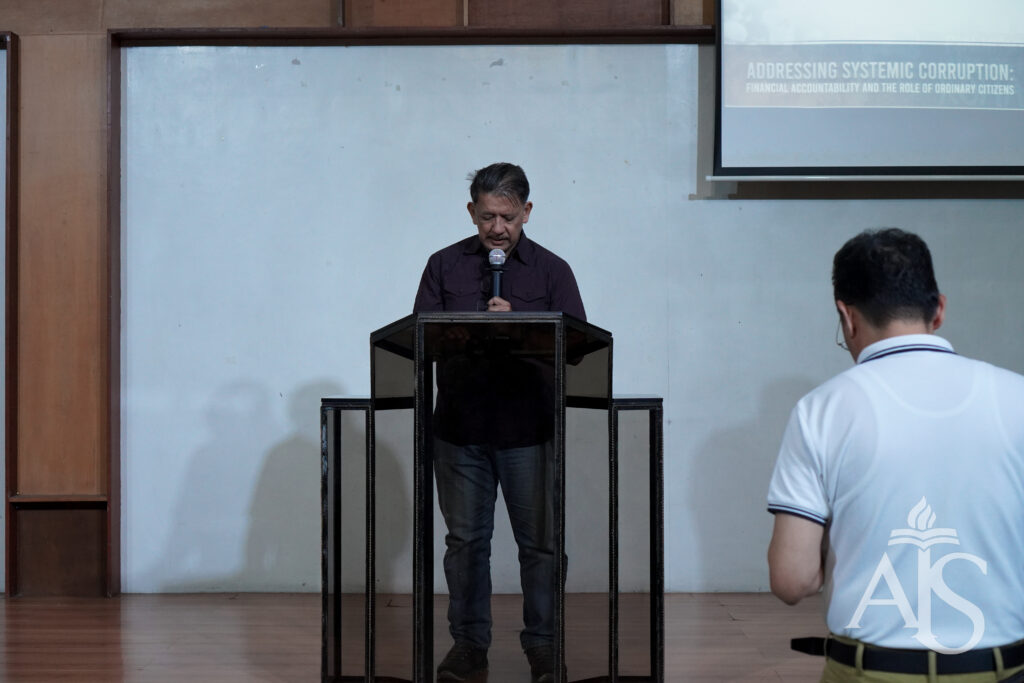
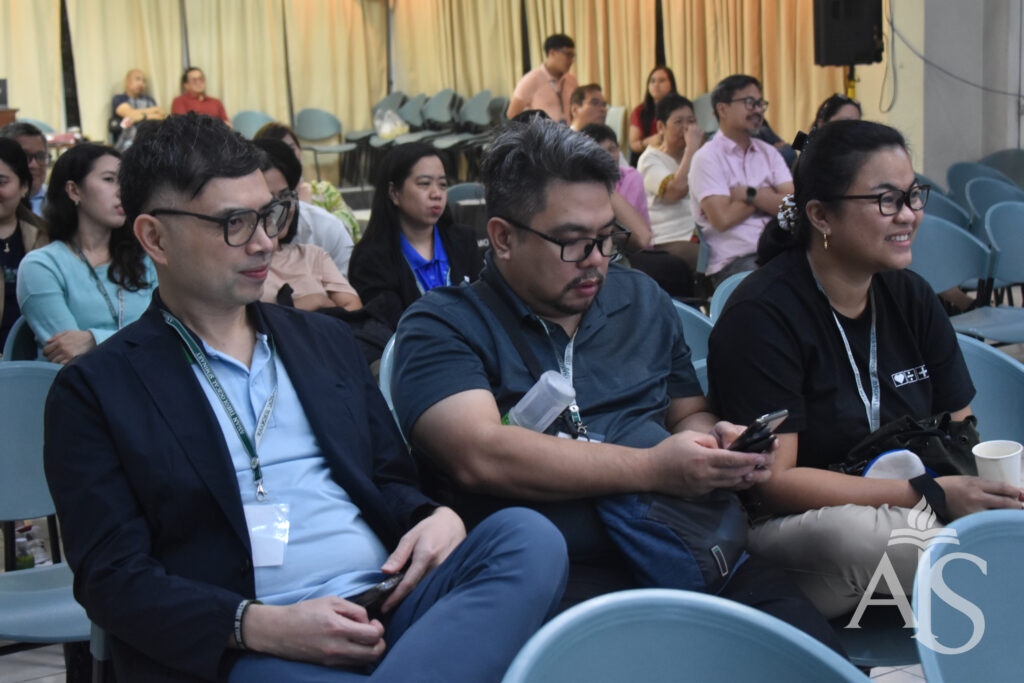
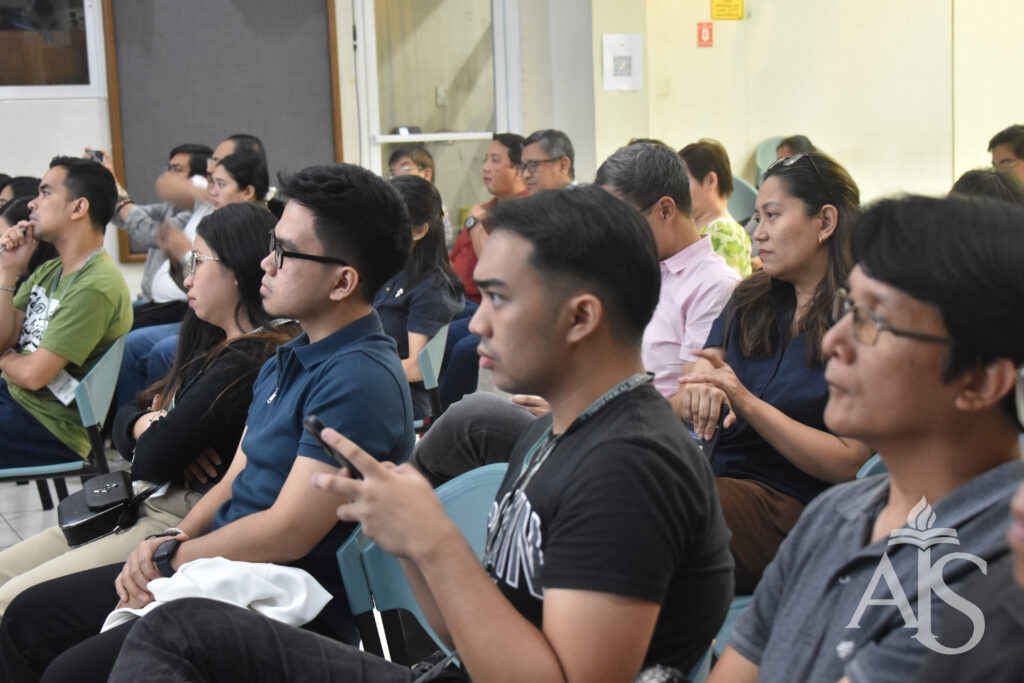
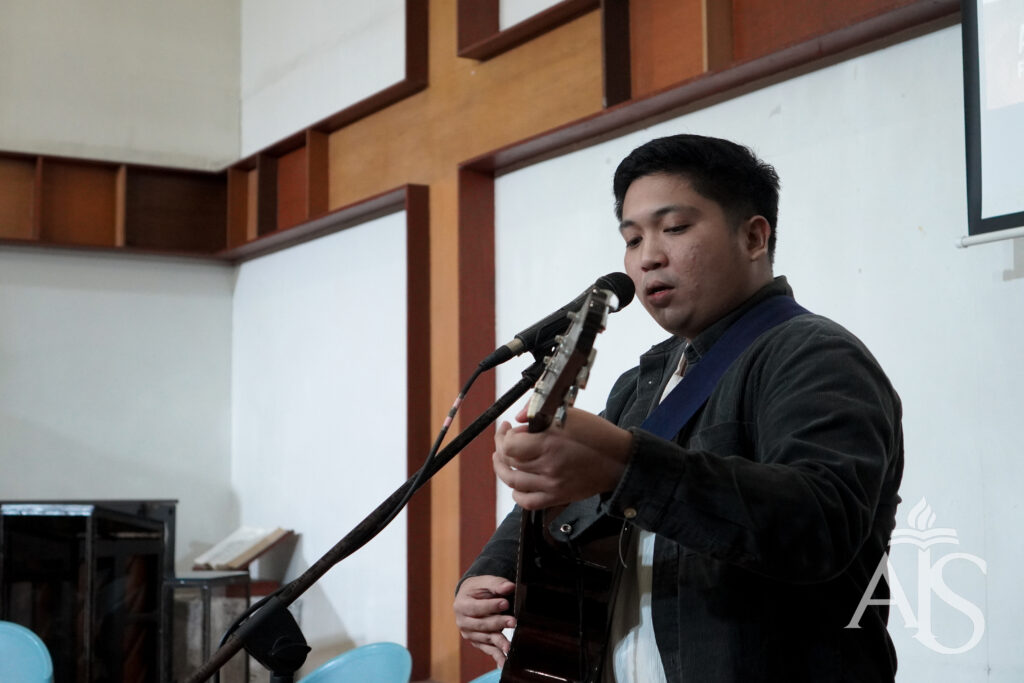
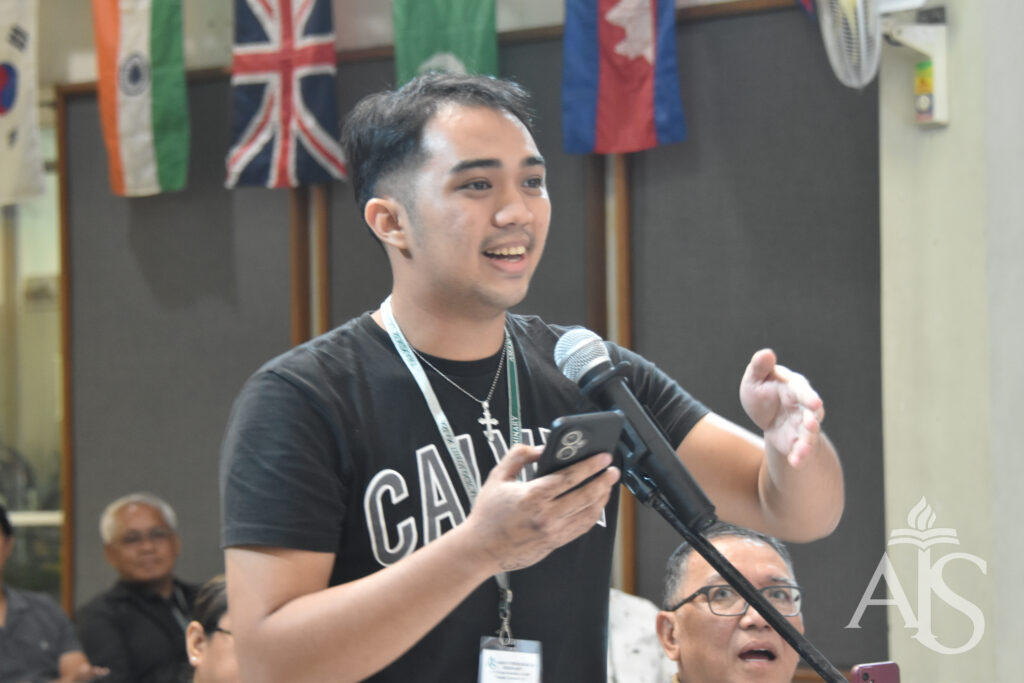
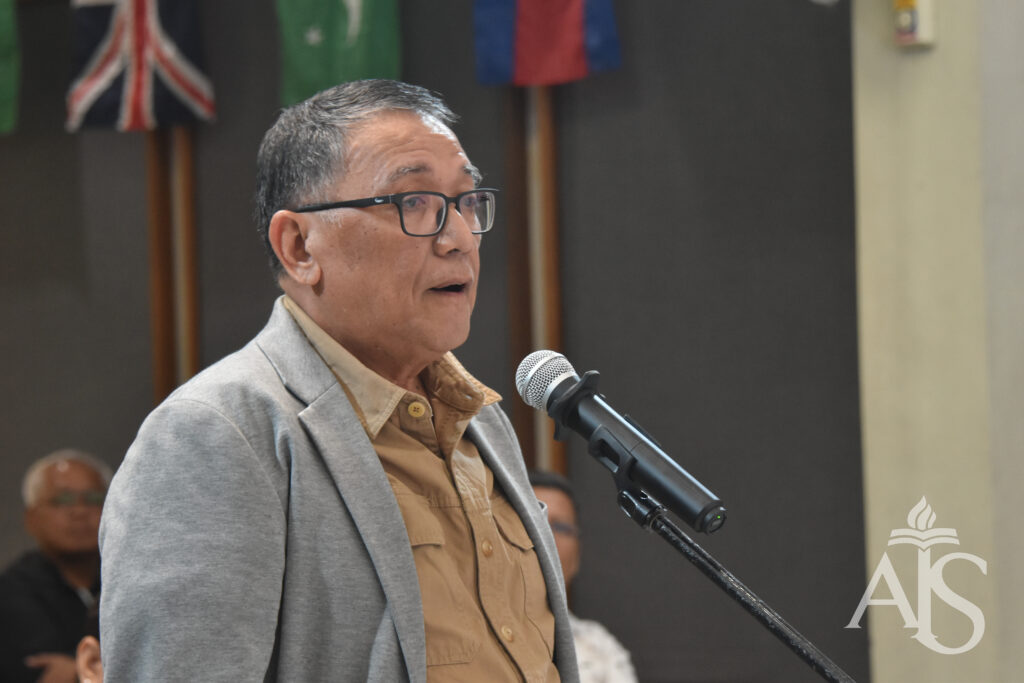
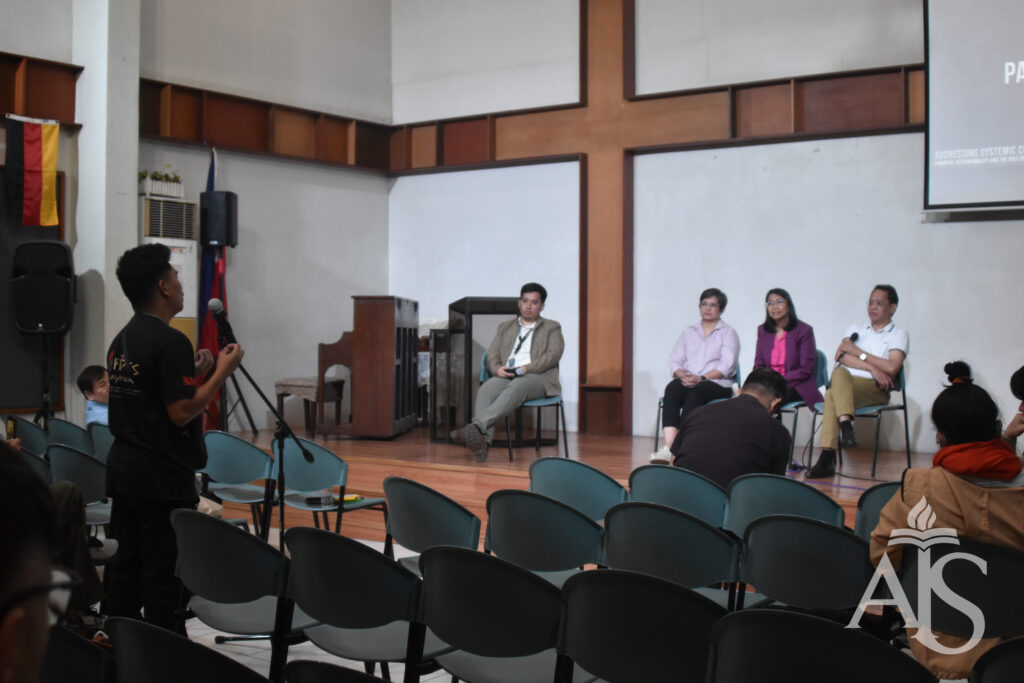
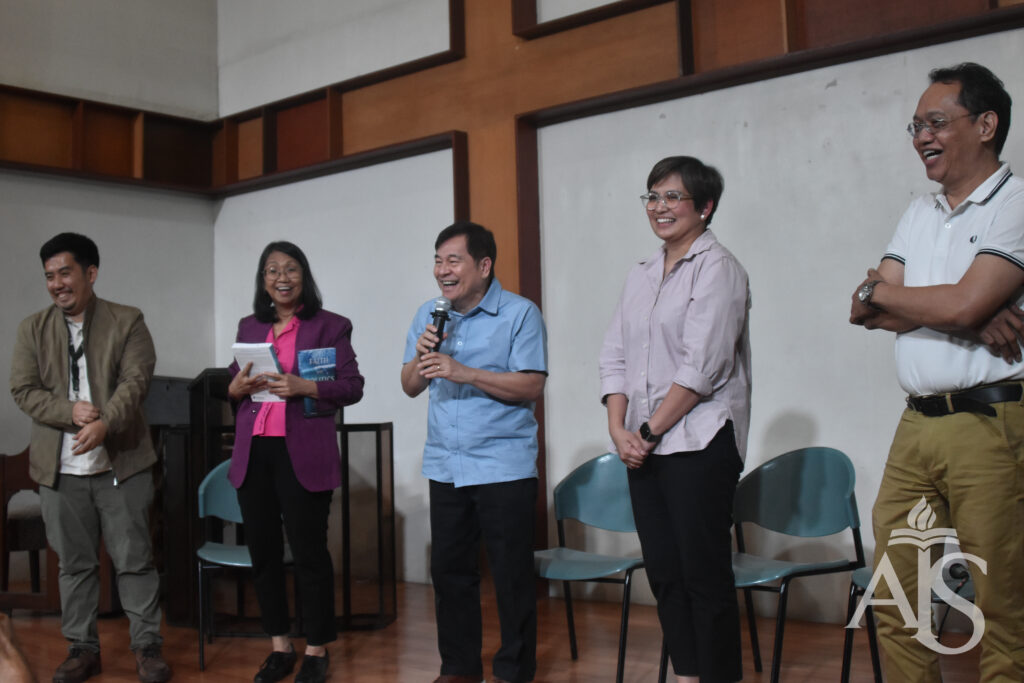
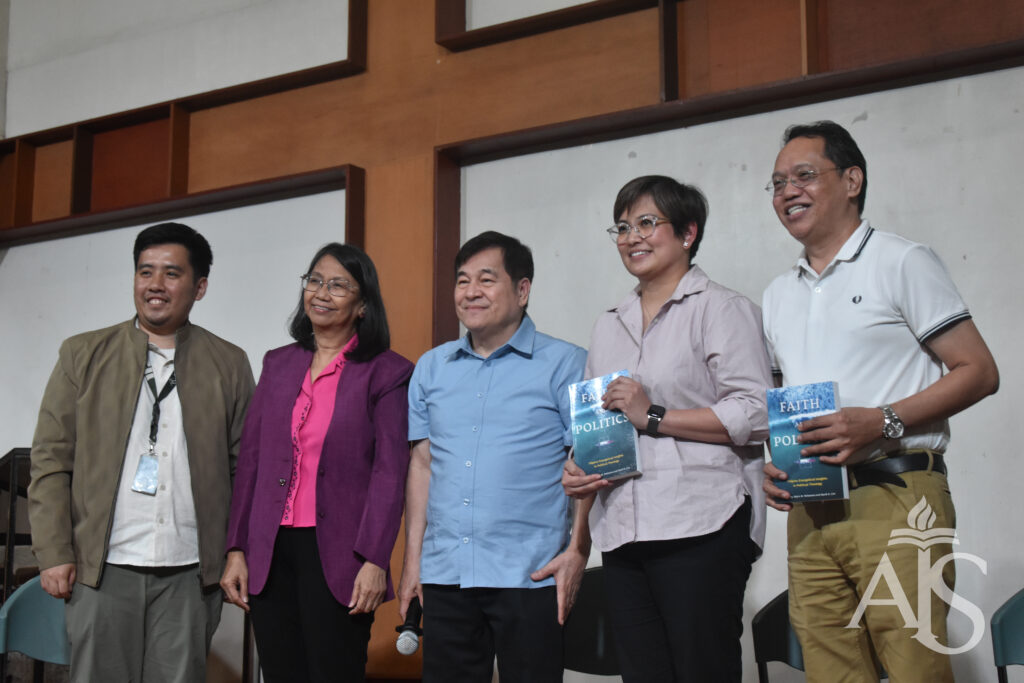
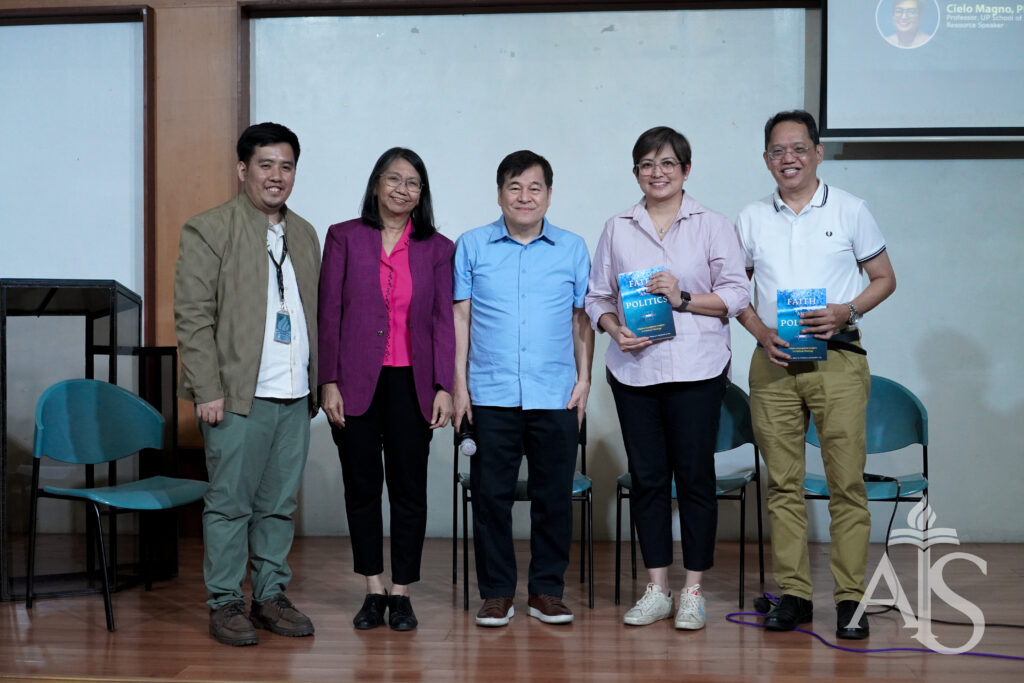
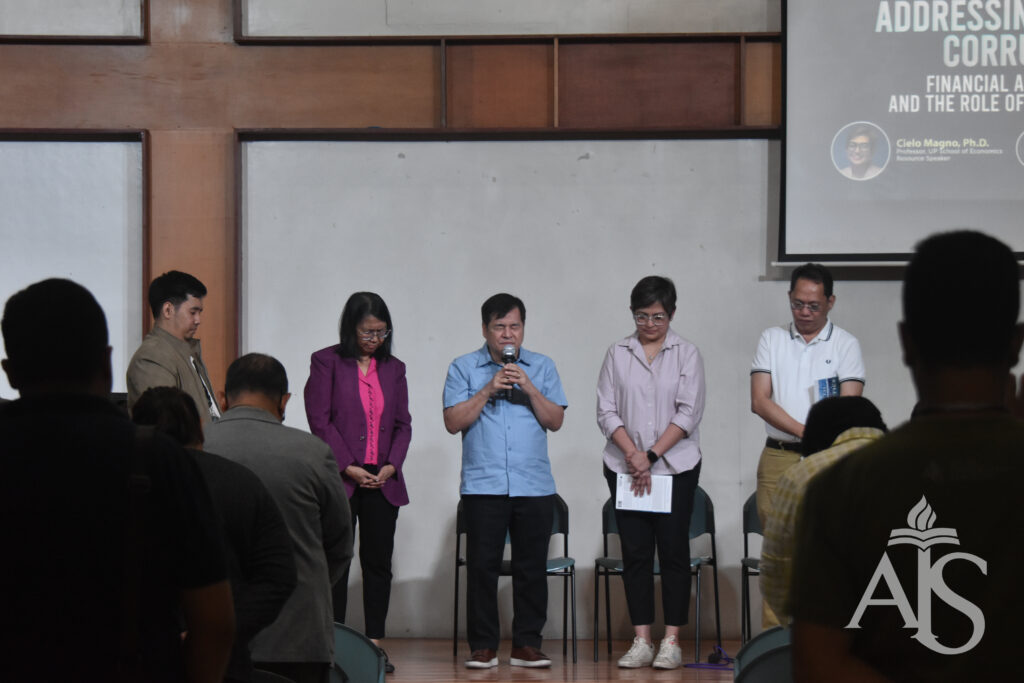
The Asian Theological Seminary (ATS) successfully held its Public Forum entitled “Addressing Systemic Corruption: Financial Accountability and the Role of Ordinary Citizens” on February 23, 2026, at the ATS Chapel. The event gathered over 100 participants, both onsite and online, reflecting strong public interest in understanding corruption and the role of citizens and faith communities in promoting accountability.
Originally designed as a fully onsite forum, the event was later opened to online participants in response to persistent demand, allowing a wider audience to engage in the timely discussion.
Examining Systemic Corruption and the National Budget
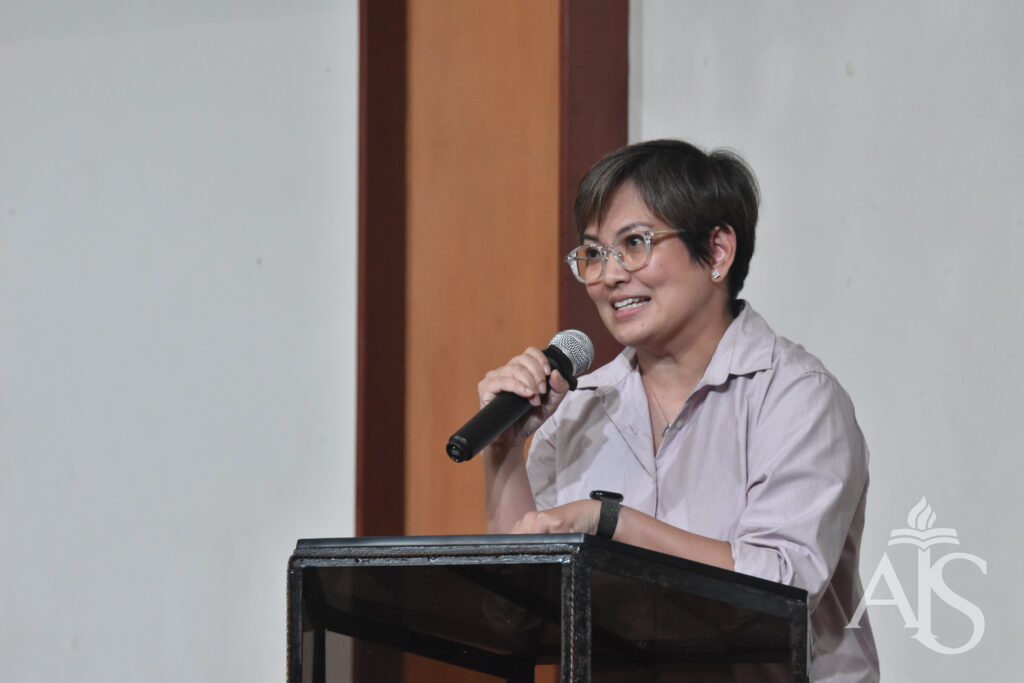
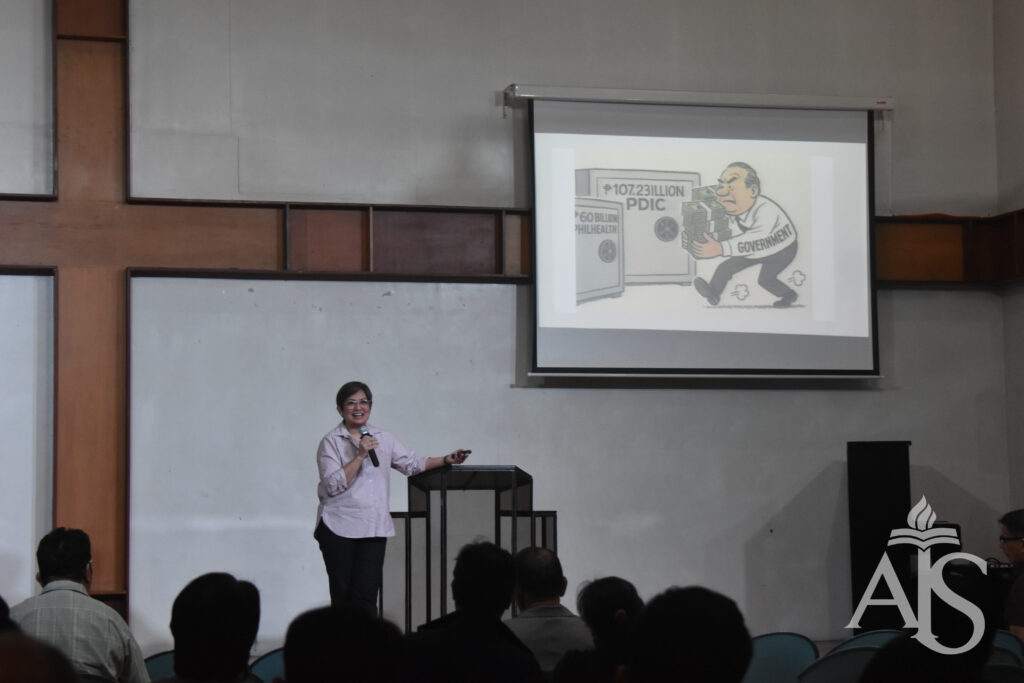
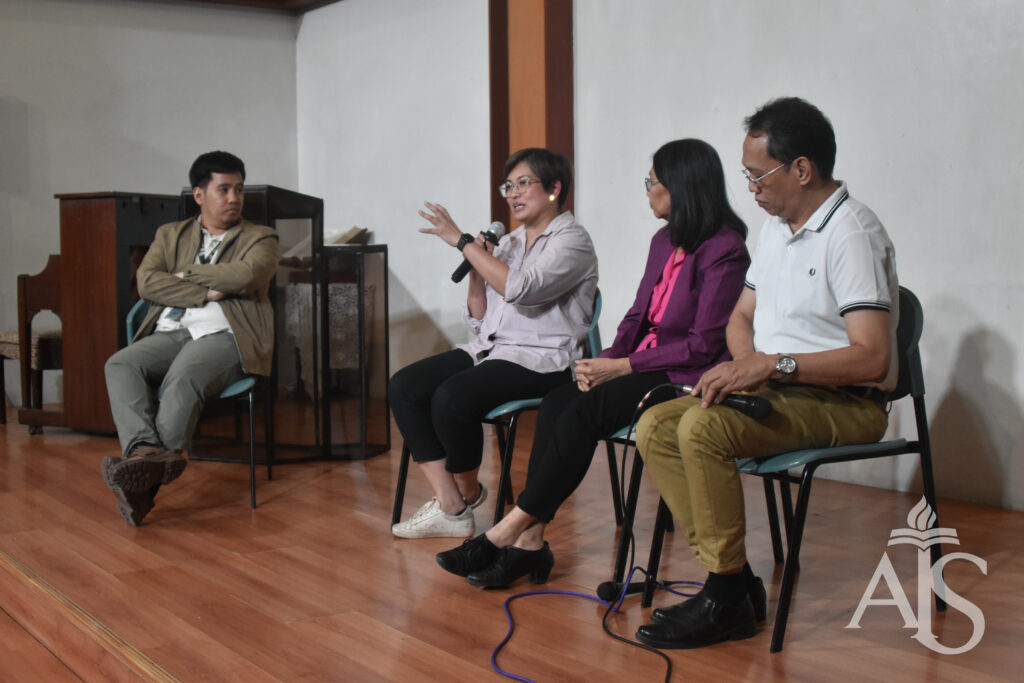
The forum’s main resource speaker, Cielo Magno, Professor at the UP School of Economics, provided a critical analysis of systemic corruption in government fiscal management, focusing particularly on the national budget process.
Dr. Magno emphasized that the budget is not merely a technical document but a blueprint that reveals the true priorities of the nation. She highlighted persistent issues such as opaque bicameral deliberations, discretionary funds, misaligned allocations, and the erosion of revenue measures—all of which undermine development, worsen inequality, and weaken public services such as health and education. She also underscored the importance of citizen vigilance, transparency initiatives, and public engagement—especially at the local level—as concrete ways ordinary citizens can demand accountability and resist corruption.
Biblical Perspectives on Accountability and Power
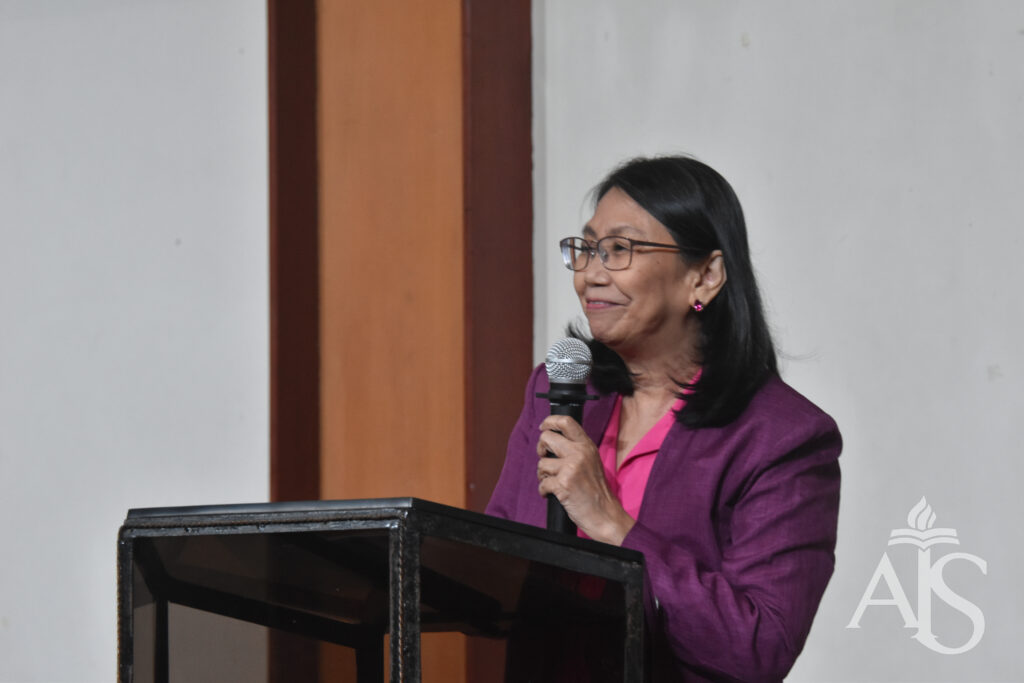
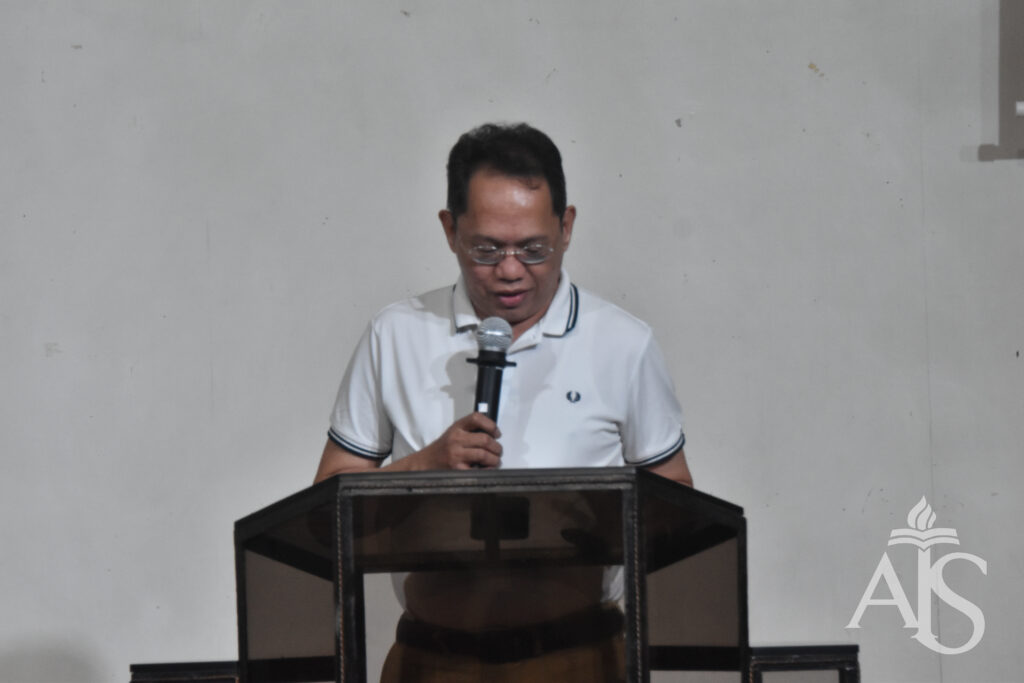
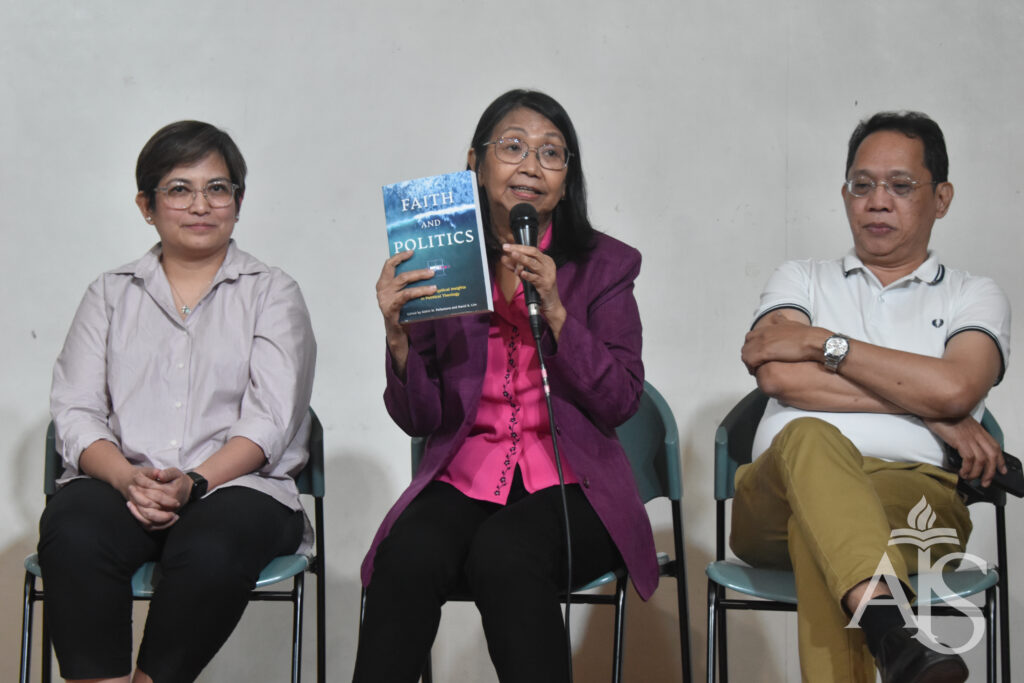
Complementing the economic analysis, Athena Gorospe, ATS Vice Chancellor for Academic Affairs, and Noli Mendoza, faculty member of the ATS Biblical Studies program, offered Old and New Testament perspectives on accountability and governance.
Drawing from the Old Testament, Dr. Gorospe emphasized that God is the true owner of all resources, and human beings are merely stewards who are accountable to God, the community, and creation. She noted that biblical accountability is grounded in the fear of the Lord, reflected not only in public office but also in everyday faithfulness, moral conduct, and transparency. The prophetic tradition, she explained, calls faith communities not only to critique injustice but also to imagine and work toward alternative, righteous structures of governance.
From the New Testament perspective, Prof. Mendoza highlighted that the gospel confronts not only personal sin but also structural evil. He discussed how Jesus’ ministry, parables, symbolic actions, and even the Cross exposed systems of inequality, exploitation, and imperial power. Citing the writings of Paul and the Book of Revelation, he stressed that Scripture names and unmasks oppressive “powers” embedded in political and economic systems, calling believers to discern their allegiance, resist injustice, and embody God’s reign by turning power into service and advocating for the poor and voiceless.
A Call to Faithful and Informed Citizenship
The forum concluded with a shared conviction that addressing systemic corruption requires both structural reform and moral renewal. Participants were challenged to move beyond silence and cynicism toward informed engagement—examining policies, demanding justification for public spending, using social media responsibly, and collaborating with like-minded communities to promote transparency, justice, and the common good.
Through this public forum, ATS reaffirmed its commitment to theological education that is biblically grounded, socially engaged, and responsive to pressing national concerns, equipping faith communities and citizens alike to participate meaningfully in the pursuit of accountability and integrity in public life.
Watch the The Public Forum here: